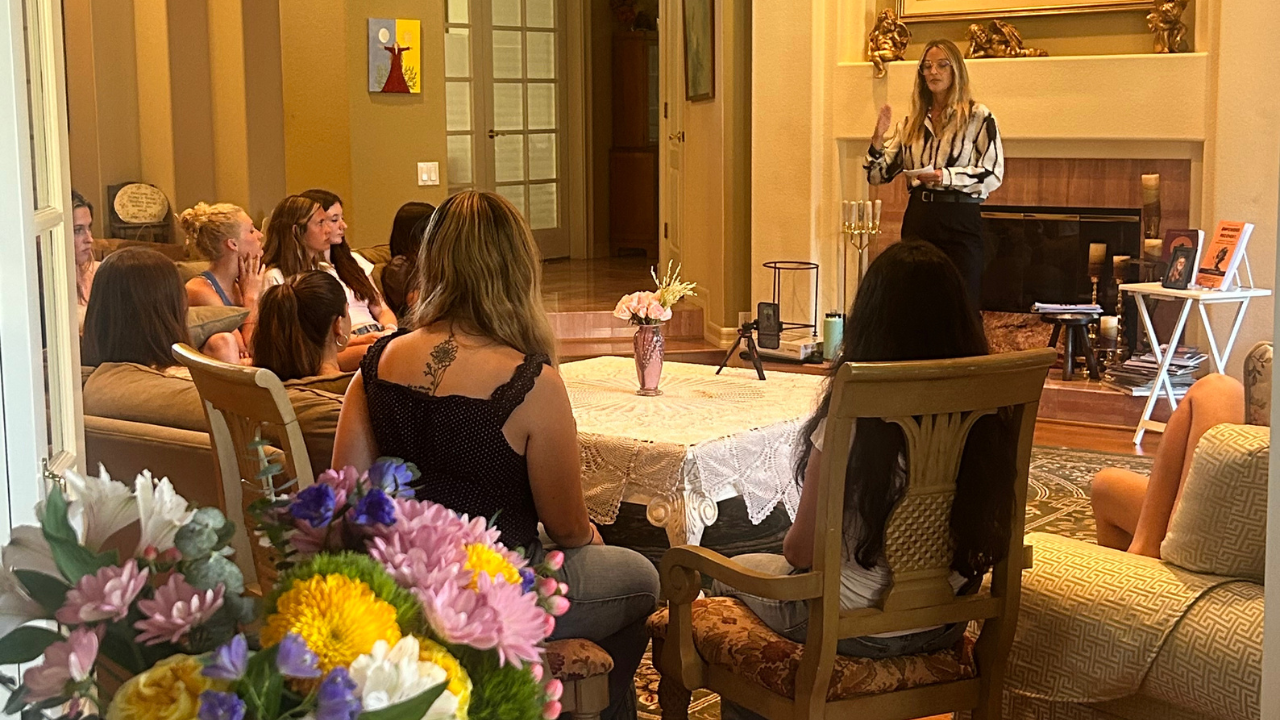
An Empowered Recovery conversation featured on the Whoever You Art podcast with Melissa Ferreira
Key Takeaways
Lasting addiction recovery involves more than eliminating alcohol or substance use; it also requires examining the behaviors and emotional patterns that influence our choices.
Self-awareness, emotional regulation, and identity development are important components of sustainable recovery.
Recovery does not require reaching rock bottom. Meaningful change can begin when someone recognizes that a behavior no longer aligns with the life they want to live.
Recovery coaching can complement clinical treatment by helping individuals translate insight into practical, values-driven action.
Building a fulfilling life beyond substance use is an important part of long-term recovery.

Recovery Is More Than the Absence of a Substance
What happens after someone stops drinking or using substances? For many people, this is where some of the most meaningful work in recovery begins. I recently had the pleasure of joining Mel Cheriegate on her recovery-focused podcast, Whoever You Art, to share my personal journey and explore a question that has become central to my work as a Substance Use Disorder Counselor, Recovery Coach, and founder of the Empowered Recovery Framework: What actually creates lasting recovery?
Although conversations about addiction frequently focus on the decision to stop using a substance, sustainable recovery often requires a deeper examination of the patterns that existed before, during, and after substance use. Emotional avoidance, people-pleasing, difficulty establishing boundaries, chronic stress, and disconnection from personal values may continue even after the substance is removed. These patterns can influence how individuals respond to discomfort, navigate relationships, and make decisions long after substance use has ended. This is why I believe recovery should be approached not simply as the elimination of an unwanted behavior, but as an opportunity to create meaningful and sustainable change in how we think, feel, respond, and live.
When Substance Use Becomes a Form of Self-Abandonment
One of the most significant realizations in my own recovery journey was recognizing how frequently I had ignored the signals my body and intuition were sending me. For years, alcohol had become intertwined with relaxation, social connection, and temporary relief from uncomfortable emotions. Yet over time, the physical and emotional consequences became increasingly difficult to overlook. I experienced inflammation, diminished energy, and a growing sense that my choices were no longer aligned with the person I wanted to become. What had once felt like an occasional escape was gradually becoming a source of dissatisfaction and disconnection from myself.
My turning point came on New Year's Eve in 2024 while visiting Tulum, Mexico. I remember recognizing that my body was asking me to stop drinking, while my habitual patterns continued encouraging me to do otherwise. It wasn't a dramatic rock-bottom moment marked by catastrophic consequences. Instead, it was a moment of clarity in which I could no longer ignore the disconnect between what I knew was right for me and what I continued choosing. I realized that repeatedly overriding my own intuition had become a form of self-abandonment, and that continuing down the same path would only take me further away from the life I wanted to create.
That realization changed the direction of my life. What began as a personal commitment to stop drinking evolved into a deeper exploration of behavioral change, nervous system regulation, emotional awareness, and the development of the Empowered Recovery Framework. My experience reinforced a belief that continues to guide my work today: Individuals do not have to lose everything before deciding that something needs to change. Sometimes the awareness that a behavior is no longer serving our health, relationships, values, or sense of purpose is reason enough to choose a different direction.
Understanding the Patterns Behind Addiction and Repetitive Behaviors
Addiction is not simply a matter of insufficient willpower. Substance use disorders involve complex interactions between brain functioning, learned behavior, environmental influences, psychological experiences, and individual vulnerabilities. Repeated substance use can strengthen associations between particular situations, emotional states, and anticipated rewards. Over time, these learned connections may contribute to automatic behavioral responses, particularly during periods of stress, uncertainty, or emotional discomfort. This helps explain why someone can intellectually understand the consequences of a behavior yet continue repeating it, even when there is a sincere desire to change.
The National Institute on Drug Abuse explains that addiction affects brain circuits involved in reward, stress, and self-control, contributing to changes that can make behavioral change challenging even when someone is highly motivated to stop. However, these patterns are not necessarily permanent. The brain retains the capacity to adapt through learning and experience, and recovery can be supported through appropriate treatment, supportive relationships, consistent practice, and the development of healthier coping strategies. Understanding the mechanisms behind addiction can also help reduce shame by shifting the conversation away from moral judgment and toward the practical processes involved in changing behavior.
Within the Empowered Recovery Framework, we emphasize helping individuals identify not only what they are doing, but also what emotional or psychological need a particular behavior may be attempting to meet. Substance use may temporarily provide relief from anxiety, increase perceived social confidence, reduce emotional discomfort, or create a sense of escape from overwhelming responsibilities. When these functions are better understood, individuals can begin developing healthier strategies that address the underlying needs rather than relying exclusively on resisting the behavior itself. Instead of asking only, "How do I stop this behavior?" we can begin asking, "What is this behavior doing for me, and what healthier strategies could meet that need?" This shift encourages curiosity, personal responsibility, and a more compassionate understanding of the change process.
Why Identity Matters in Long-Term Recovery
One of the more overlooked aspects of addiction recovery is the role of personal identity. When someone stops drinking or using substances, an important behavior may change almost immediately, but the beliefs, routines, relationships, and self-perceptions associated with that behavior may take considerably longer to evolve. A person may no longer drink but still struggle with emotional avoidance, low self-worth, difficulty communicating needs, or a persistent sense of dissatisfaction. Without addressing these experiences, sobriety can begin to feel like an ongoing exercise in resistance rather than an opportunity for meaningful personal transformation.
Identity-based recovery encourages individuals to consider who they are becoming, what they value, and how their daily choices support that direction. This approach does not require rejecting the past or pretending that difficult experiences never happened. Instead, it involves recognizing that previous behaviors do not have to define future possibilities. Someone who previously relied on alcohol for social confidence can gradually learn to develop confidence through self-trust and authentic connection. Someone who used substances to manage stress can begin building emotional regulation skills, healthier boundaries, and more effective support systems. These changes may be gradual, but repeated actions that reflect personal values can help strengthen a more stable and empowering sense of self.
An important part of this process involves learning to tolerate the discomfort that often accompanies growth. Establishing boundaries, communicating honestly, making unfamiliar choices, and changing longstanding habits can initially feel uncomfortable, particularly when previous coping strategies offered immediate relief. Yet these experiences can also provide opportunities to develop greater self-efficacy and confidence. As individuals begin seeing themselves follow through on commitments, navigate challenges, and make choices consistent with their values, their sense of identity can gradually shift from someone struggling to avoid a behavior toward someone actively creating a healthier life.
The Role of Recovery Coaching in Creating Sustainable Change
Clinical addiction treatment provides essential support for individuals experiencing substance use disorders, particularly when medical, psychiatric, or intensive therapeutic services are needed. Recovery coaching can complement these services by helping individuals translate therapeutic insight into practical, everyday action. A coaching-informed approach emphasizes collaborative goal setting, personal responsibility without shame, self-efficacy, and the development of sustainable routines. Rather than focusing exclusively on the symptoms or consequences of substance use, coaching can also help individuals explore strengths, identify meaningful goals, and develop practical strategies for navigating life beyond structured treatment environments.
For example, someone may recognize during treatment that stress is a significant trigger for substance use. Recovery-oriented coaching can help that individual identify realistic stress-management strategies, establish boundaries, develop supportive habits, and evaluate how those strategies are functioning in everyday life. This practical integration is particularly relevant during transitions between levels of care and throughout long-term recovery, when individuals must increasingly apply what they have learned to relationships, employment, family responsibilities, and everyday challenges. Coaching does not replace clinical treatment, but when appropriately integrated, it can provide an additional layer of support focused on sustained behavioral change and personal growth.
The Substance Abuse and Mental Health Services Administration (SAMHSA) describes recovery as a process of change through which individuals improve health and wellness, live self-directed lives, and strive to reach their full potential. This definition reflects a much broader vision of recovery than abstinence alone, recognizing the importance of purpose, community, autonomy, and continued personal development. These principles are central to the Empowered Recovery Curriculum, which incorporates structured psychoeducation and coaching-informed activities to support clients in developing practical skills for life beyond treatment. By connecting recovery education with real-world application, treatment providers can help individuals strengthen the skills needed to maintain progress after leaving structured care.
Building a Life You No Longer Want to Escape
One of the guiding principles behind Empowered Recovery is that lasting recovery is not simply about stopping a behavior. It is about building a life you no longer feel the need to escape. This does not mean that recovery eliminates hardship, emotional discomfort, or the possibility of setbacks. Life continues to present challenges, and sustainable recovery requires developing the capacity to navigate those challenges without automatically returning to destructive coping patterns. The goal is not to create a life free from stress or difficult emotions, but to develop the internal resources, supportive relationships, and practical skills necessary to respond to those experiences in healthier ways.
For some individuals, this work involves rebuilding relationships or establishing healthier boundaries. For others, it may mean reconnecting with creativity, developing a sense of purpose, improving physical well-being, or learning to experience emotions without immediately attempting to suppress them. Recovery may also involve reevaluating environments, routines, and relationships that reinforce old behavioral patterns. These changes are not always easy, and progress is rarely perfectly linear. However, each intentional decision creates an opportunity to strengthen new habits and reinforce a sense of personal agency.
There is no single pathway that works for everyone. Effective recovery support must recognize individual differences, personal strengths, cultural considerations, and the importance of self-determination. Whether someone is exploring sobriety, beginning treatment, maintaining long-term recovery, or supporting others professionally, the opportunity for meaningful change extends well beyond the decision to stop using a substance. The goal is not perfection, but continued growth, greater self-awareness, and an increasing ability to live in alignment with one's values.
Listen to My Conversation on Whoever You Art
I'm grateful to Mel Cheriegate for creating space for conversations about recovery and for the opportunity to share part of my journey on Whoever You Art. As an artist and podcast creator, Melissa contributes to a growing community of individuals using personal stories and creative expression to challenge stigma and encourage more open conversations about addiction and recovery. These conversations matter because they remind us that recovery can look different for everyone, that lived experience has value, and that meaningful transformation is possible at many stages of life.

Meet Mel Cheriegate: The Voice Behind Whoever You Art
Melissa Cheriegate, known as Mel, is an artist, recovery advocate, and creator of the Whoever You Art podcast. Her journey through addiction and recovery has shaped her commitment to creating a space where people can share their experiences with honesty, vulnerability, and without shame. Originally from Brazil and now living in Portugal, Melissa has spoken openly about her struggles with alcohol, anxiety, grief, and the challenges of finding her way back to herself. Through her own recovery, she has discovered the importance of connection, continued personal growth, and finding purpose beyond substance use.
Creativity has also become an important part of Melissa's personal transformation. Through art and storytelling, she has found meaningful ways to reconnect with herself while encouraging others to recognize that recovery can open the door to new possibilities. Her podcast, Whoever You Art, reflects this philosophy by bringing together personal stories, authentic conversations, and different perspectives on healing. Melissa's work is a reminder that recovery is not simply about what we leave behind, but also about rediscovering who we are and what we are capable of becoming.
Connect with Melissa and explore Whoever You Art:
Explore the Empowered Recovery Framework
If this conversation resonates with you, I invite you to explore the Empowered Recovery Framework, an educational approach to recovery that integrates addiction neuroscience, behavioral change, emotional regulation, identity development, and practical life skills. The framework was developed from the understanding that individuals often need more than information about why substance use is harmful. They also need structured opportunities to examine the patterns influencing their choices, develop healthier coping strategies, and establish routines that support the lives they want to create.
For individuals, the Empowered Recovery Course provides structured learning and reflective exercises designed to support meaningful personal change. For treatment centers and recovery professionals, the Empowered Recovery Group Curriculum offers a ready-to-facilitate educational resource that complements clinical programming and helps clients apply recovery principles to everyday life. Both resources reflect the belief that sustainable recovery is supported by self-awareness, practical skill development, and the consistent application of healthier behaviors.

About the Author
PrairieYana Francia, CADC-I is a Substance Use Disorder Counselor, Recovery Coach, author, and founder of the Empowered Recovery Framework. Drawing from professional training and lived experience, she develops recovery education, coaching programs, and group curriculum for treatment centers that emphasize sustainable behavior change, emotional regulation, self-awareness, and identity development. She is also the host of Breaking Free From Within, a podcast exploring addiction recovery, personal transformation, and the work of creating lasting change.
Invite PrairieYana to Your Podcast
Let's create a conversation that inspires meaningful change.
Looking for a guest who brings together lived experience, professional expertise, and a fresh perspective on addiction recovery and personal transformation?
PrairieYana Francia, CADC-I, is available for podcast interviews exploring lasting recovery, behavioral change, emotional regulation, identity transformation, and life beyond sobriety.
Let's connect and create a conversation that resonates with your audience.
Educational References
Substance Abuse and Mental Health Services Administration (SAMHSA)
Recovery and Recovery Support
https://www.samhsa.gov/substance-use/recovery
National Institute on Drug Abuse (NIDA)
Drugs, Brains, and Behavior: The Science of Addiction
https://nida.nih.gov/research-topics/addiction-science/drugs-brain-behavior-science-of-addiction
SAMHSA
Peer Support Workers for Those in Recovery
https://www.samhsa.gov/substance-use/recovery/peer-support-workers
This article is intended for educational purposes and does not replace individualized medical, psychological, or addiction treatment services.
More from Empowered Recovery